
When to Book a North Idaho Roofer: Why Fall Schedules Fill Up Faster Than You Think
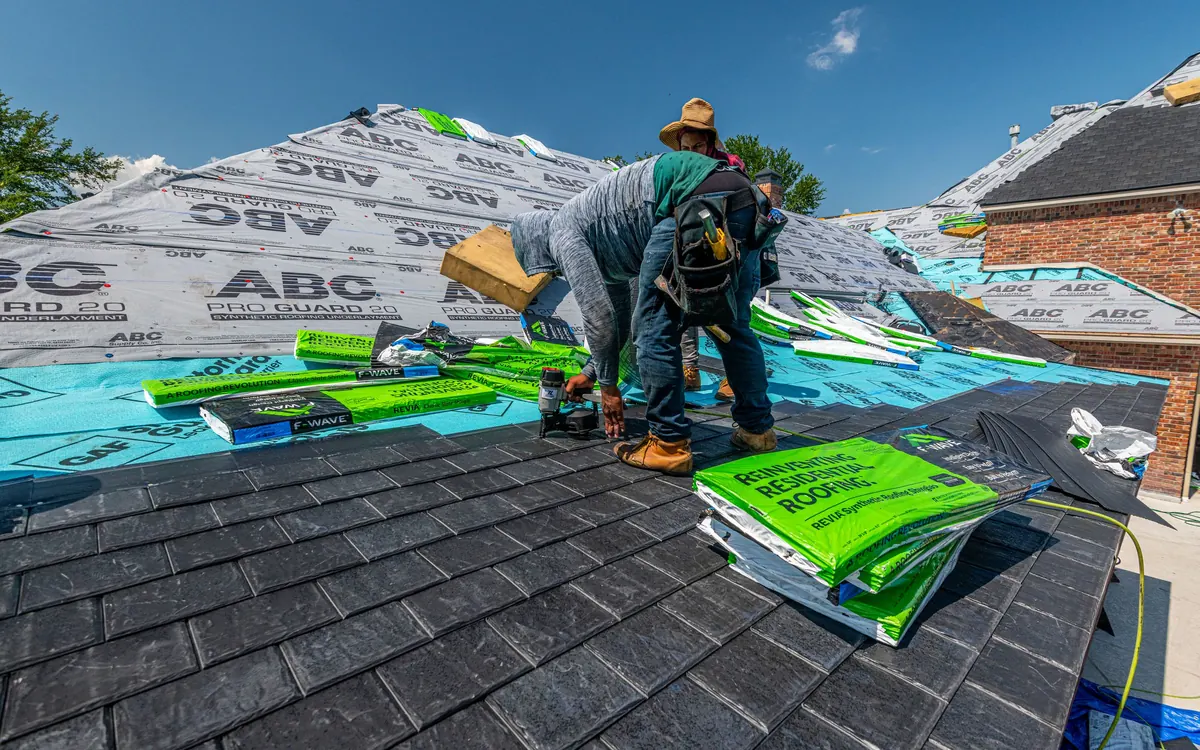
North Idaho roofing runs on a short season, and the calendar fills faster than most homeowners expect. A roof that needs attention before winter is much easier to schedule in September than after the first hard freeze.
Here's how far ahead to plan, what the year looks like on a roofer's schedule, and what changes if you wait.
- Plan a non-emergency roof replacement 4 to 8 weeks ahead. Calling in late winter or early spring gets you the widest choice of May through September dates.
- Book an inspection 1 to 2 weeks ahead. Lakeview can usually fit inspections in within a week, and they're free.
- Plan targeted repairs 1 to 3 weeks ahead. For active leaks and storm damage, Lakeview typically responds the same day, within 24 hours.
- Below 40°F, shingles may not seal until warm weather returns, so we don't recommend planning a replacement for winter.
On this page
Why Do North Idaho Roofing Schedules Fill Up So Fast?
Because the main roofing season runs roughly May through September, and replacements, storm repairs, insurance jobs, and pre-winter inspections all have to fit inside it.
- Full roof replacements, most taking 1 to 3 days on site
- Repairs from spring and summer storms
- Insurance jobs that clear once adjusters have visited
- Pre-winter inspections and small repairs put off over the summer
- Homeowners who want a new roof on before the snow
Every roofer in the area works off the same short calendar. The busiest week for calls tends to be right after the first hard freeze, when most crews are already booked. Calling before that rush is what gets you a date that works.
How Far Ahead Should You Book a Roofer?
It depends on the work: 4 to 8 weeks for a planned replacement, 1 to 2 weeks for an inspection, 1 to 3 weeks for a targeted repair, and right away for an active leak or storm damage.
| Work | Book ahead | Notes |
|---|---|---|
| Roof replacement | 4 to 8 weeks | Most take 1 to 3 days on site |
| Roof inspection | 1 to 2 weeks | Free; we can usually fit one in within a week |
| Targeted repair | 1 to 3 weeks | Most take a half day to a full day |
| Active leak or storm damage | Call now | We typically respond the same day, within 24 hours |
If you're buying or selling a home, see what's included in our roof inspections. For repairs like flashing, a vent boot, or replacing shingles, see roof repair. After a storm, our May 2026 storm damage guide walks through what to check and how claims work.
What Does the North Idaho Roofing Year Look Like?
February and March are the easiest months to book a summer date. June through August is peak season. October is the crunch before the freeze, and November through March is mostly emergency work.
- February and March: the quiet months, and the best time to lock in a summer install date
- April and early May: schedules tighten, spring storms bring the first emergency calls, and June fills up
- June through August: peak season; lead times stretch to 3 to 6 weeks, and flexibility helps
- September: still busy, but the rush hasn't started. The right month to call if your roof can't wait for spring
- October: the crunch. The first freeze arrives, ice dam worries set in, and schedules fill within days
- November through March: emergency work only. We handle active leaks, storm damage, and tarps year-round, but we don't recommend planned replacements
For the seasonal trade-offs in more detail, read the best time to replace your roof in North Idaho.
Can You Replace a Roof in Winter in North Idaho?
Sometimes, but we don't recommend planning one. Owens Corning's instructions say that below 40°F the shingles' adhesive strip may not activate, so perimeter shingles must be hand-sealed and all shingles need extra care in handling. In winter, shingles may take longer to seal.
If it isn't an emergency, the better plan is usually to tarp the problem area, document it, and book the replacement for spring. If you have an active leak, call; we handle emergency repairs year-round.
Is Off-Season Roofing Worth It?
It can be if your timing is flexible, but the trade-off is weather. A late-October or early-April project is more likely to be delayed by rain or snow, and shorter days mean slower work.
Once the old roof is off, a wet week means either working in a short dry window or pausing until things dry out. Ice barrier at the eaves, which Coeur d'Alene and Post Falls both require, helps but doesn't remove the risk. For most homeowners, a May through September install is the more reliable choice.
What Should You Do This Month?
Look at your roof from the ground, check the attic with a flashlight if you can do it safely, book a free inspection, get a written estimate, and then book the work.
- Look from the ground
Binoculars help. Look for missing, lifted, or curled shingles, exposed flashing, and granules piling up in the gutters. Our pre-winter roof checklist walks through what to look for.
- Check the attic
If you can reach it safely, look for water stains on the underside of the roof deck, daylight coming through, and dark spots that point to a slow leak.
- Book an inspection
Even if nothing looks wrong from the ground, an inspection before the snow catches small problems early. Lakeview's inspections are free and usually fit within a week.
- Get a written estimate
If the inspection finds work, the estimate covers scope, materials, timing, and cost, so you can decide between before winter and spring.
- Book the work
If you want a full replacement done this year, take the next open date. If you'd rather wait for spring, get on the list now.
What If You Have a Deadline?
Tell us when you call. A home sale, a closing, an insurance timeline, or a warranty deadline changes how we schedule, and we'd rather give you a realistic window than a promise that slips.
The reverse is true too: if your timeline is flexible, say so. A homeowner who can move a project by a week or two often gets scheduled sooner than one who needs a particular day in November.
Not sure what your roof needs? Start with a free inspection. We'll tell you what we find, what we'd do, and what it costs, and we'll tell you if the answer is "do nothing yet." Lakeview is based in Rathdrum and works throughout Kootenai and Bonner counties.
Book Your Pre-Winter Inspection
A free inspection by our HAAG certified inspectors, with a written report and no obligation. We'll tell you straight if the answer is "do nothing yet."
Frequently Asked Questions
How far in advance should I book a roofer in North Idaho?
For a non-emergency roof replacement, plan 4 to 8 weeks ahead; calling in late winter or early spring gives you the widest choice of May through September dates. For an inspection, 1 to 2 weeks ahead is usually fine. For targeted repairs, 1 to 3 weeks. For active leaks and storm damage, Lakeview typically responds the same day, within 24 hours.
Why does North Idaho's roofing season fill up so fast?
The main roofing season runs roughly May through September, and every roofer in the area has to fit replacements, storm repairs, insurance jobs, and pre-winter inspections into it. The busiest week for calls tends to be right after the first hard freeze, when most crews are already booked.
Can I still get a roof replaced in November in North Idaho?
Sometimes, but it depends on the weather and we don't recommend planning one. Owens Corning's instructions say that below 40°F the shingles' adhesive strip may not activate, so perimeter shingles must be hand-sealed. If it isn't an emergency, tarp and book the work for spring.
What happens if I wait until winter to call a roofer?
You'll be competing for emergency slots. Tarping and leak repair are still available through winter, but a planned replacement usually isn't. The realistic options are an emergency tarp now with a spring install, or a spot on the list for the first spring opening.
Is it cheaper to schedule a roof replacement in the off-season?
Ask your roofer, but weigh any savings against weather delays and shorter working days. For most homeowners, the reliability of a May through September install is worth more.
About this guide. Written by Lakeview Roofing & Restoration, a family-owned roofing company in Rathdrum, Idaho, and an Owens Corning Preferred Contractor with HAAG certified inspectors. Facts in this guide were checked against the sources listed below.
Sources
- Owens Corning, Duration Series Shingles Installation Instructions (cold weather installation)
- Owens Corning, Can You Get a New Roof or a Roof Repair in the Winter?
- City of Coeur d'Alene Building Services, Current Adopted Codes and Design Criteria (PDF)
- City of Post Falls Building Division, Current Adopted Codes and Design Criteria (PDF)