
Best Time of Year to Replace Your Roof in North Idaho
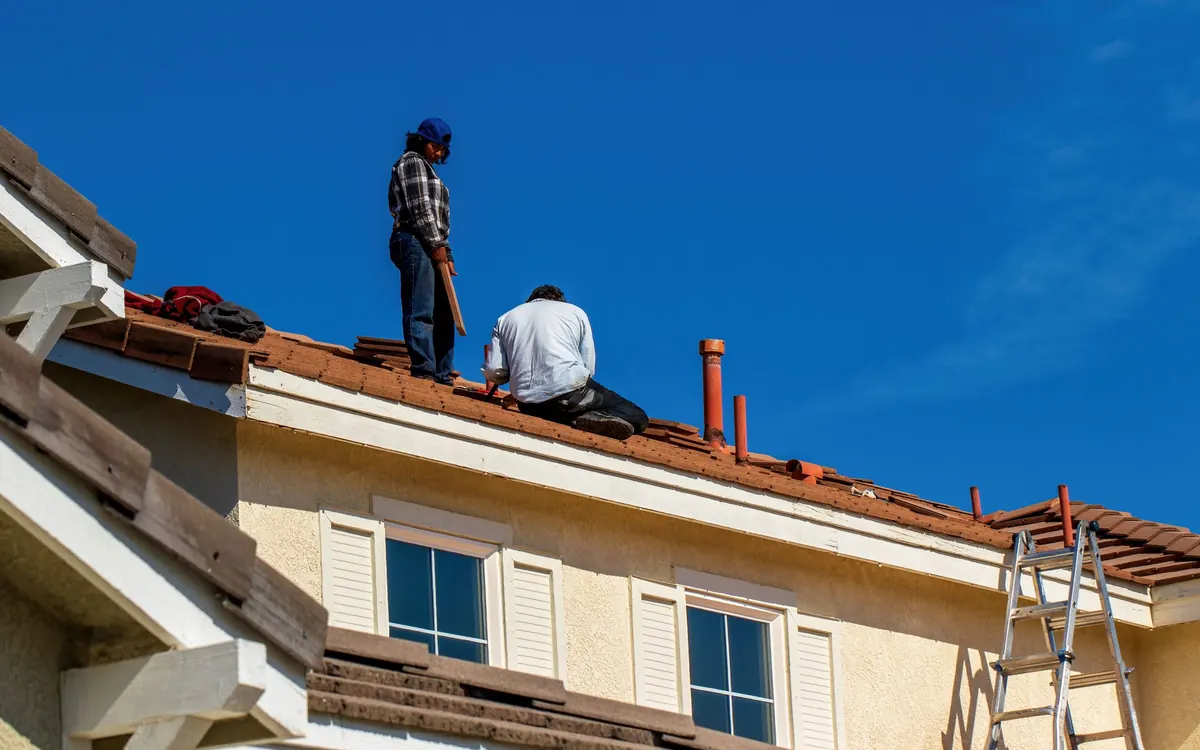
The season you choose for a roof replacement affects how well the materials seal, how smoothly the job goes, and how hard it is to get on the schedule. In North Idaho, with a short roofing season, timing matters even more.
Whether you're planning ahead for an aging roof or dealing with damage from last winter, here's when to schedule the work.
- Late spring through early fall, May through September, is the best time to replace a roof in North Idaho.
- April and October can work, but they depend on the weather.
- Plan winter replacements only for emergencies. Owens Corning's instructions say that below 40°F the shingles' adhesive strip may not activate.
- Call in February or March to get the widest choice of May and June dates.
On this page
Why Is Late Spring Through Early Fall the Best Time?
Warm weather lets the shingles seal, dry weather keeps the roof deck dry, and long days let crews finish most homes in 1 to 3 days.
Shingles seal
Asphalt shingles have an adhesive strip that bonds them together in warm weather. Owens Corning's instructions say that below 40°F the strip may not activate, so the perimeter shingles have to be hand-sealed.
The deck stays dry
Owens Corning's instructions say to keep the wood deck from getting wet before, during, and after installation, and its ice barrier goes on a deck that's been dry and frost-free for at least 24 hours.
Longer days
More daylight means more working hours, so most homes are finished in 1 to 3 days.
Fewer weather delays
Summer gives the most certainty if you need the roof done by a specific date, like before selling your home.
The trade-off: busy schedulesSummer is when everyone wants a roof. Peak-season lead times can stretch to 3 to 6 weeks, so plan a replacement 4 to 8 weeks ahead. See when to book a roofer.
Can You Replace a Roof in April or October?
Often, if the weather cooperates. Schedules are more open in these shoulder months, but a warm week can turn to rain or snow, so projects are more likely to be delayed.
In April, schedules are wide open and you can get on the calendar quickly if your timing is flexible. In October, the summer rush has eased, but early snow can end the season. If you're scheduling an October project, earlier in the month is safer than later. Either way, the 40°F guidance for shingle sealing and ice barrier still applies.
Can You Replace a Roof in Winter in North Idaho?
Technically yes, but plan one only for an emergency. Cold keeps shingles from sealing, makes them harder to handle, and snow and frost make it hard to keep the deck dry.
- Sealing: below 40°F the adhesive strip may not activate, so shingles rely on nails and hand-sealing until warm weather
- Handling: Owens Corning says to use extra care handling shingles below 40°F
- Underlayment: Owens Corning's WeatherLock ice barrier should be applied at 40°F or above, on a clean, dry, frost-free deck
- Snow and ice: the deck has to be cleared and dried before anything goes down, which slows the job
- Short days and slick conditions slow crews down further
Winter replacement makes sense for an active leak damaging the inside of the house, storm damage that has exposed the deck, or a roof failing mid-winter. Lakeview handles emergencies year-round and typically responds to storm damage the same day, within 24 hours. See storm damage restoration.
When Should You Book a Roof Replacement?
In February or March for a May or June install. You'll get the widest choice of dates, the best weather odds, and a new roof well before the next winter.
North Idaho's main roofing season runs about May through September, with shoulder weeks on either end. Spring also brings a backlog of winter damage, ice dams, leaks, and missing shingles, so schedules fill early. If your roof is 20 years old or more, don't wait for a leak: get a free roof inspection in late winter or early spring and get on the calendar.
For the whole process, see our complete guide to a new roof in North Idaho, or see our roof replacement service.
Ready to Get on the Schedule?
We serve homeowners throughout Kootenai County, including Coeur d'Alene, Post Falls, Rathdrum, Hayden, Spirit Lake, and Sandpoint. Book early for the best availability.
Frequently Asked Questions
What month is best for roof replacement in North Idaho?
June through August usually offers the most reliable weather for shingles to seal. May and September are also good but more weather-dependent. Book in late winter or early spring for a summer install.
Can you replace a roof in the rain?
No. Owens Corning's instructions say to keep the wood deck from getting wet before, during, and after installation, so sustained rain stops the job. That's why weather windows matter in North Idaho's spring and fall.
Is it cheaper to replace a roof in the off-season?
Ask your roofer, but weigh any savings against weather delays. April and October projects are more likely to be held up by rain or snow, and winter installs bring sealing and handling problems.
What if my roof starts leaking in the winter?
Call right away. Active leaks cause interior damage that adds up quickly. A roofer can tarp or make an emergency repair to protect your home until a full replacement can be done in better weather. Lakeview typically responds to storm damage the same day, within 24 hours.
Do shingles seal in cold weather?
Not reliably. Owens Corning's instructions say that below 40°F the shingles' adhesive strip may not activate, so perimeter shingles must be hand-sealed, and in winter shingles may take longer to seal.
About this guide. Written by Lakeview Roofing & Restoration, a family-owned roofing company in Rathdrum, Idaho, and an Owens Corning Preferred Contractor with HAAG certified inspectors. Facts in this guide were checked against the sources listed below.