
When to Replace Your Roof: Signs Your North Idaho Roof Needs Replacing
Most homeowners don't think about their roof until something goes wrong. By then, a roof that could have been replaced on your schedule may already be leaking into the attic.
Here's how to tell when to replace your roof in Kootenai County and across North Idaho: the warning signs you can spot from the ground, the signs of a failing roof inside your home, and when a repair is enough.
- Replace your roof when it's near the end of its lifespan and worn across the whole roof, or when damage is too widespread to repair.
- Architectural shingles last 20 to 25 years in North Idaho. Older 3-tab shingles often wear out at 15 to 20.
- Warning signs: curling, cracking, or missing shingles over large areas, granules in the gutters, a sagging roofline, daylight through the attic roof boards, and leaks in more than one spot.
- Damage in one area on a roof under 15 years old is usually a repair. A free inspection tells you which one you need.
On this page
When Should You Replace Your Roof?
When it's near the end of its lifespan and showing wear across the whole roof, or when damage is too widespread to repair. In North Idaho, architectural asphalt shingles last 20 to 25 years, so a roof in that range with curling shingles, granule loss, or recurring leaks is usually due.
- 20 to 25 yrs
- Architectural shingle lifespan in North Idaho
- 15 to 20 yrs
- Older 3-tab shingle lifespan
- Under 15 yrs
- Damage in one area is usually a repair
If your roof is in that range and you're seeing any of the signs below, it's time for a professional inspection. See how long a roof lasts in North Idaho for every material.
What Are the Warning Signs of an Old Roof?
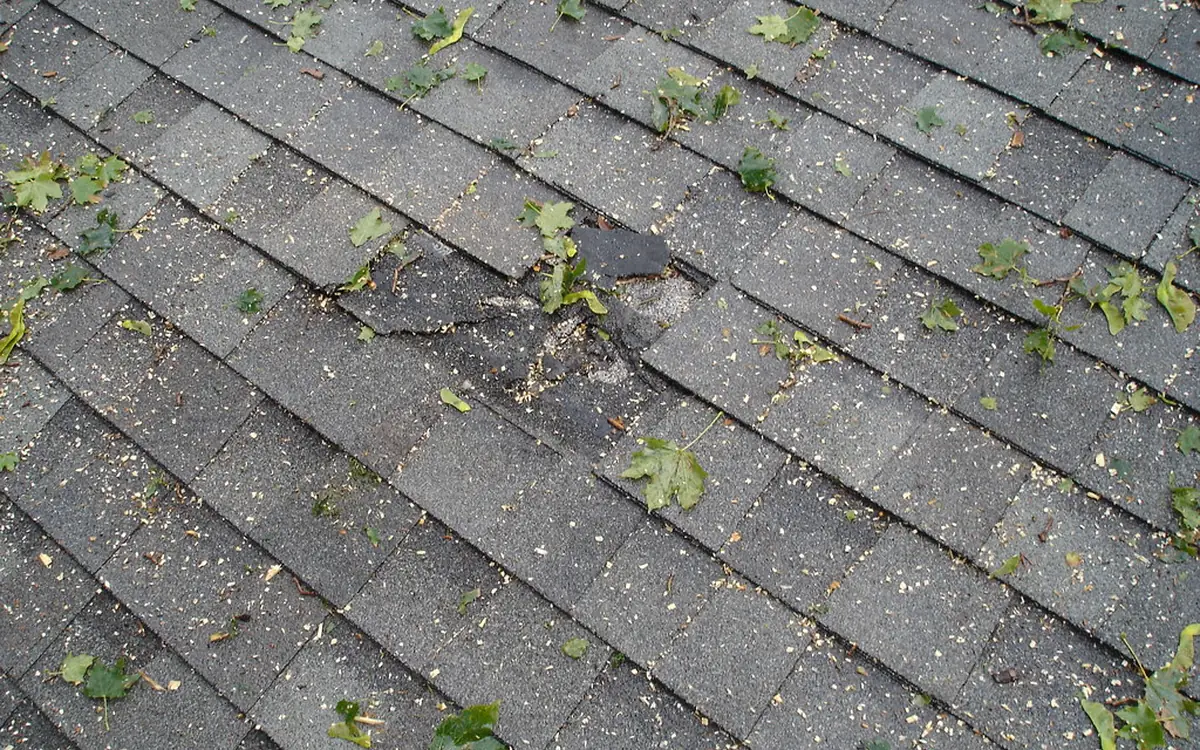
From the ground, look for a roof 20 years old or more, curling, cracking, or missing shingles across large areas, granules piling up in the gutters, and a sagging roofline. Use binoculars and stay off the roof.
The roof is 20 or more years old
Age alone doesn't mean you need a new roof, but it's the first thing to check. If you don't know your roof's age, look at the home inspection report from when you bought the house, or ask a roofer to estimate it during an inspection.
Curling, cracking, or missing shingles
A few damaged shingles can be repaired. Curling or cracking across large areas of the roof usually means the whole roof is reaching the end of its life.
Granules in the gutters
The granules on asphalt shingles protect the asphalt from UV light. As shingles age, the granules wash off and collect in your gutters. Heavy buildup, especially if it gets worse each year, means the shingles are losing that protection.
A sagging roofline
A wavy or sagging roofline can mean water-damaged decking or a structure struggling under heavy snow. Have it inspected right away.
If the homes on your street were built around the same time and your neighbors are replacing their roofs, yours may be due too. A storm that damaged a neighbor's roof may have damaged yours as well; see storm damage restoration.
What Are the Signs of a Failing Roof Inside Your Home?
Daylight through the roof boards in the attic, and water stains or leaks in more than one room. These often show up before anything looks wrong from the street.
Daylight through the roof boards
Go into your attic on a sunny day and look up. Pinpoints of light coming through the roof boards mean water can get through too, and the roof deck or underlayment needs attention right away. Light at the ridge vent or along the soffit vents is normal; light through the boards themselves is not.
Water stains or leaks in more than one spot
One leak might be a repair. If you're seeing water stains in more than one room, or leaks keep showing up in new places, the roof's waterproofing has likely failed on a broader scale.
Leaks only during snowmelt?Stains near exterior walls or ceilings that appear in winter are often caused by ice dams, which start with heat escaping from the house into the attic, not with worn shingles. See our ice dam guide before you assume you need a new roof.
Should You Repair or Replace Your Roof?
Repair when the damage is in one area, the roof is under 15 years old, it's the first leak, and the decking underneath is still solid. Replace when the roof is 20 years old or more, the wear is spread across the roof, or leaks keep coming back.
| Usually a repair | Usually a replacement | |
|---|---|---|
| Roof age | Under 15 years | 20 years or more |
| Damage | In one area | Spread across the roof |
| Leaks | First leak | Leaks keep coming back |
| Decking | Still solid | Soft, sagging, or water-damaged |
For the full breakdown, including costs, read roof repair vs. replacement, or see our roof repair service.
When Is the Best Time to Replace a Roof in North Idaho?
Late spring through early fall, May through September. North Idaho's roofing season is short and schedules fill up, so book early. In winter, roof replacement is usually for emergencies only.
For more on timing, read the best time to replace your roof in North Idaho.
How Do You Know for Sure if Your Roof Needs Replacing?
Get a professional inspection. Lakeview's roof inspections are free, and our HAAG certified inspectors will tell you whether your roof needs a repair or a full replacement.
Not every roof problem means you need a new roof. We'll recommend what's best for your roof, not what's most profitable for us. Schedule a free roof inspection, read what's in a HAAG certified roof inspection, or see our roof replacement service if you already know it's time.
Not Sure? Get a Free Inspection.
We'll look at your roof and tell you straight whether it needs a repair or a replacement, with no pressure.
Frequently Asked Questions
When should you replace your roof?
When it's near the end of its lifespan and showing wear across the whole roof, or when damage is too widespread to repair. In North Idaho, architectural asphalt shingles last 20 to 25 years, so a roof in that range with curling shingles, granule loss, or recurring leaks is usually due.
How do I know if my roof needs to be replaced?
Check its age, then look for curling, cracking, or missing shingles across large areas, heavy granule buildup in the gutters, a sagging roofline, daylight through the attic roof boards, and leaks in more than one spot. A professional inspection confirms whether you need a repair or a replacement.
What are the signs of a failing roof?
Inside the home, look for daylight through the roof boards in the attic and water stains or leaks in more than one room. Outside, look for widespread shingle damage, granules in the gutters, and a sagging roofline.
What are the warning signs of an old roof?
An old roof often has curling or cracking shingles, granules collecting in the gutters, and shingles missing after storms. If your roof is 20 years old or more, have it inspected even if it looks fine from the ground.
Is light in my attic always a bad sign?
No. Light at the ridge vent or along the soffit vents is normal. Pinpoints of light coming through the roof boards themselves mean water can get in, and the roof should be inspected.
Can I repair my roof instead of replacing it?
Often, yes. A repair usually makes sense when the damage is in one area, the roof is under 15 years old, and the decking underneath is still solid. Widespread wear, a roof 20 years old or more, or recurring leaks usually point to replacement.
About this guide. Written by Lakeview Roofing & Restoration, a family-owned roofing company in Rathdrum, Idaho, and an Owens Corning Preferred Contractor with HAAG certified inspectors. Facts in this guide were checked against the sources listed below.